History of Grupo Aeromexico Virtual
Mainline and Connect Virtual, side by side — from IVAO pioneers in 2009 to a self-hosted crew center today.
- 2009Founded
- 2Airlines
- IVAORoots
- TodaySelf-hosted
Aeromexico Virtual · Mainline
Act I
The Foundations
2009–2012
Founded for IVAO with CompeteVA — a high-fidelity flag-carrier VA built on operational discipline.
-
2009
Founded Sept 11 by Armando Fernandez
-
IVAO
Pioneer high-fidelity network ops
-
CompeteVA
First structured hour logging
-
Culture
Real routes, real tail numbers
More details
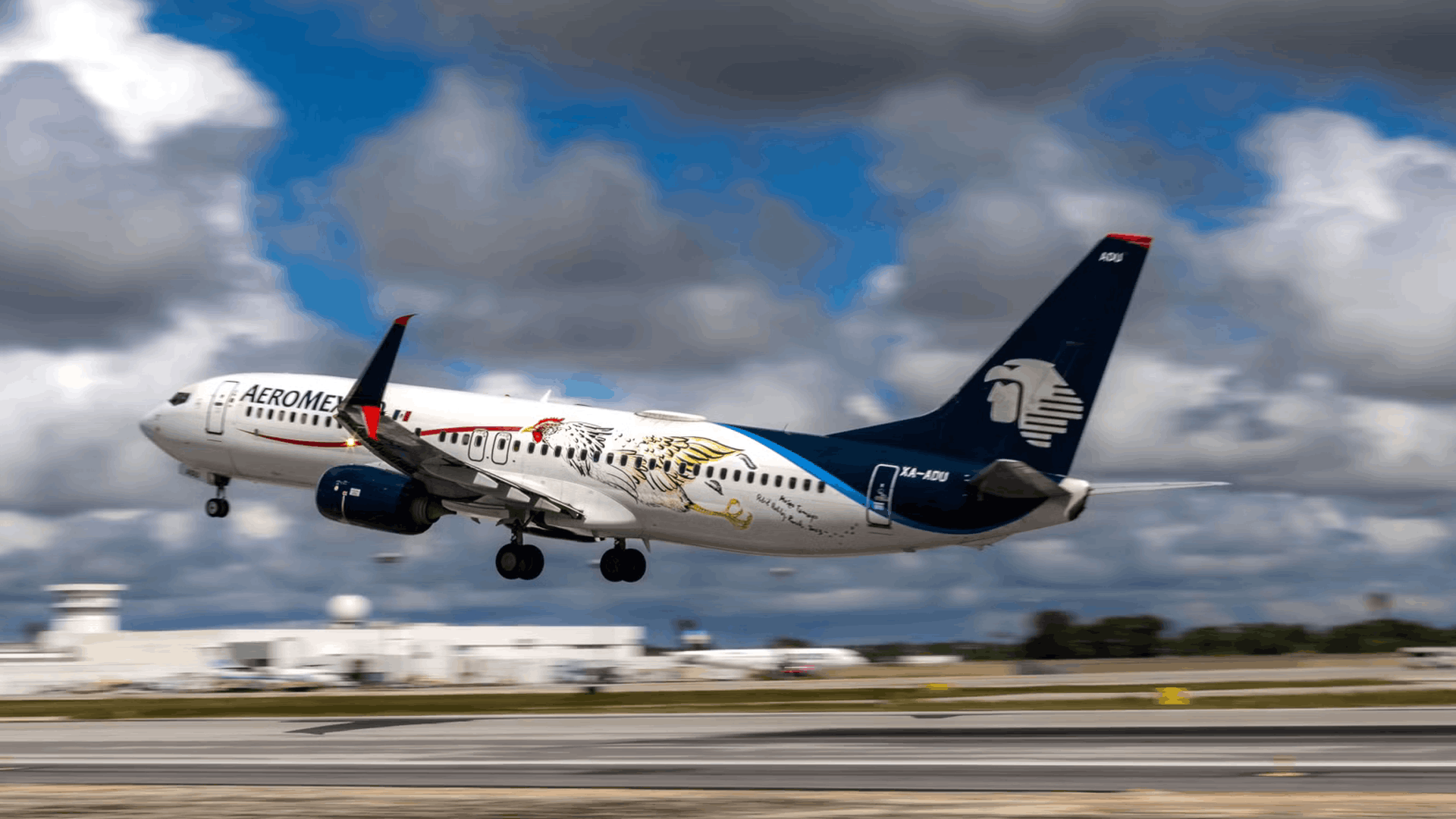
- The Inception: Founded September 11, 2009 by Armando Fernandez as a pioneer high-fidelity VA for the IVAO network.
- CompeteVA Era: From day one the group used CompeteVA, built by an IVAO Mexico member — the first structured way for Mexican simmers to log professional hours for a major flag carrier.
- Culture of Discipline: Even without a custom website, pilots flew real-world routes with specific tails — the sense of duty that still defines AMXV.
Act II
Stability & Expansion
2012–2023
Jorge Martinez leads a decade of Caravanas, VAFS tracking, and community peak years.
-
2012
Jorge Martinez joins as Director
-
2013
Migration to VAFS tracking
-
2014
Jorge becomes CEO
-
2022
vaBase bridges to independence
More details
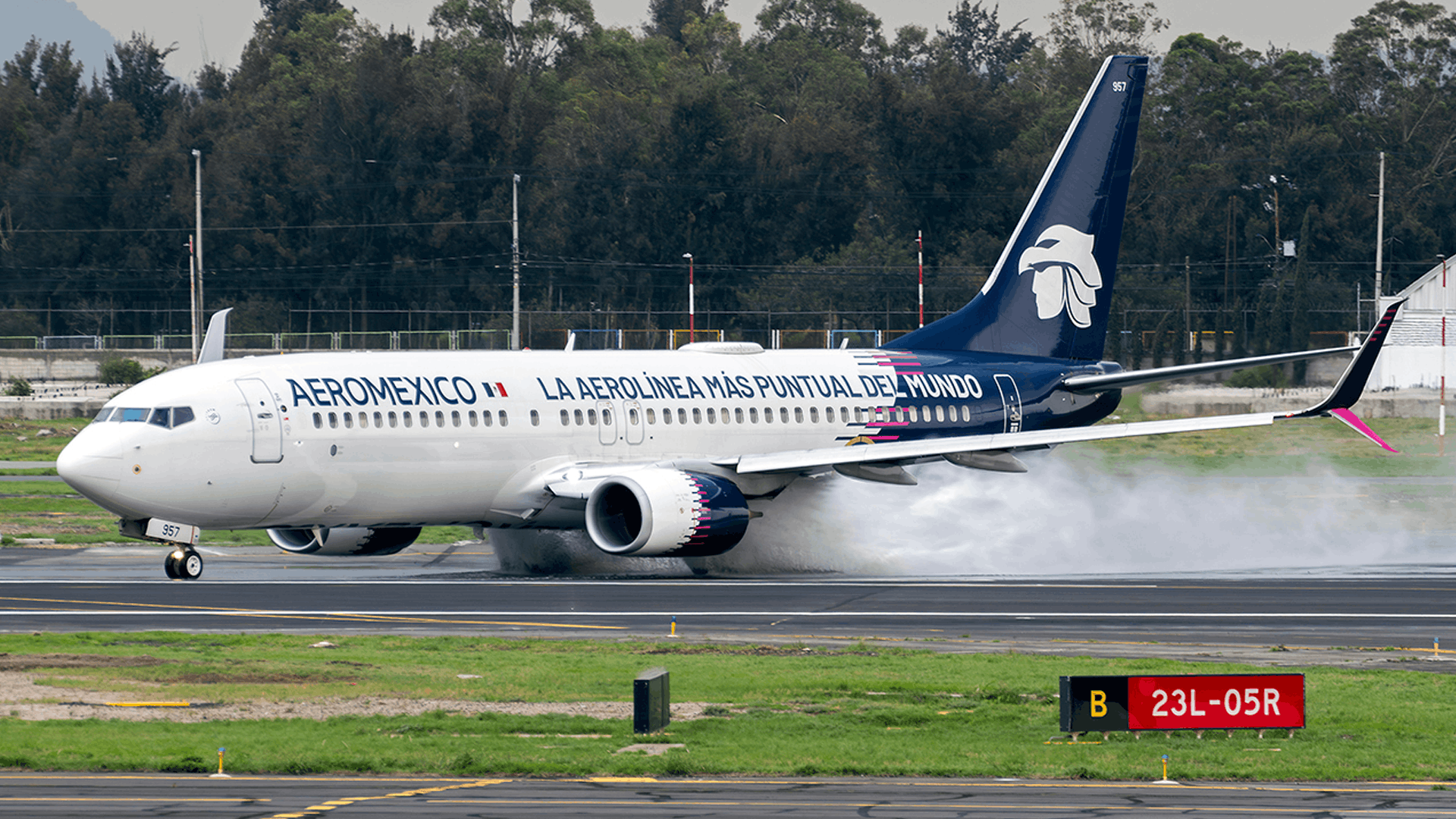
- Jorge Martinez: Joined March 29, 2012 as Director; became CEO in 2014 and defined the VA’s most stable decade.
- Thursday Caravanas: Weekly group flights through challenging approaches like Puerto Vallarta (MMPV) and Tijuana (MMTJ) in synchronized real-time weather.
- VAFS: December 17, 2013 leap to robust flight tracking through the FSX and P3D years.
- vaBase: 2022 move to a modern web interface — the bridge before total technical independence.
- Leadership: Armando Fernandez (Founder) → Jorge Martinez (Current CEO).
Act III
Technical Independence
2024–Present
From self-hosted phpVMS to a custom EFB — then a platform built from scratch for how Grupo AMX Virtual actually flies.
-
2024
phpVMS 5 self-hosted portal
-
2025
phpVMS 7 + bespoke ACARS
-
2026
Our own EFB system launches
-
2027
Custom platform built from scratch
More details
- Integration reset: In 2024 a returning veteran staff member helped move the airline to its first true digital home with phpVMS 5 — ending years on external platforms.
- Custom jump: In 2025 the group migrated to phpVMS 7 and launched its first bespoke ACARS, ending 15 years of generic trackers.
- EFB 1.0: In January 2026 we built and launched our own Electronic Flight Bag — a virtual tablet with SimBrief integration, performance tools, and a professional ops feel designed for Grupo AMX Virtual.
- Own platform (2027): In January 2027 we left phpVMS 7 behind and moved to a system built from scratch — created and managed around our own needs, workflows, and the way this group actually operates.
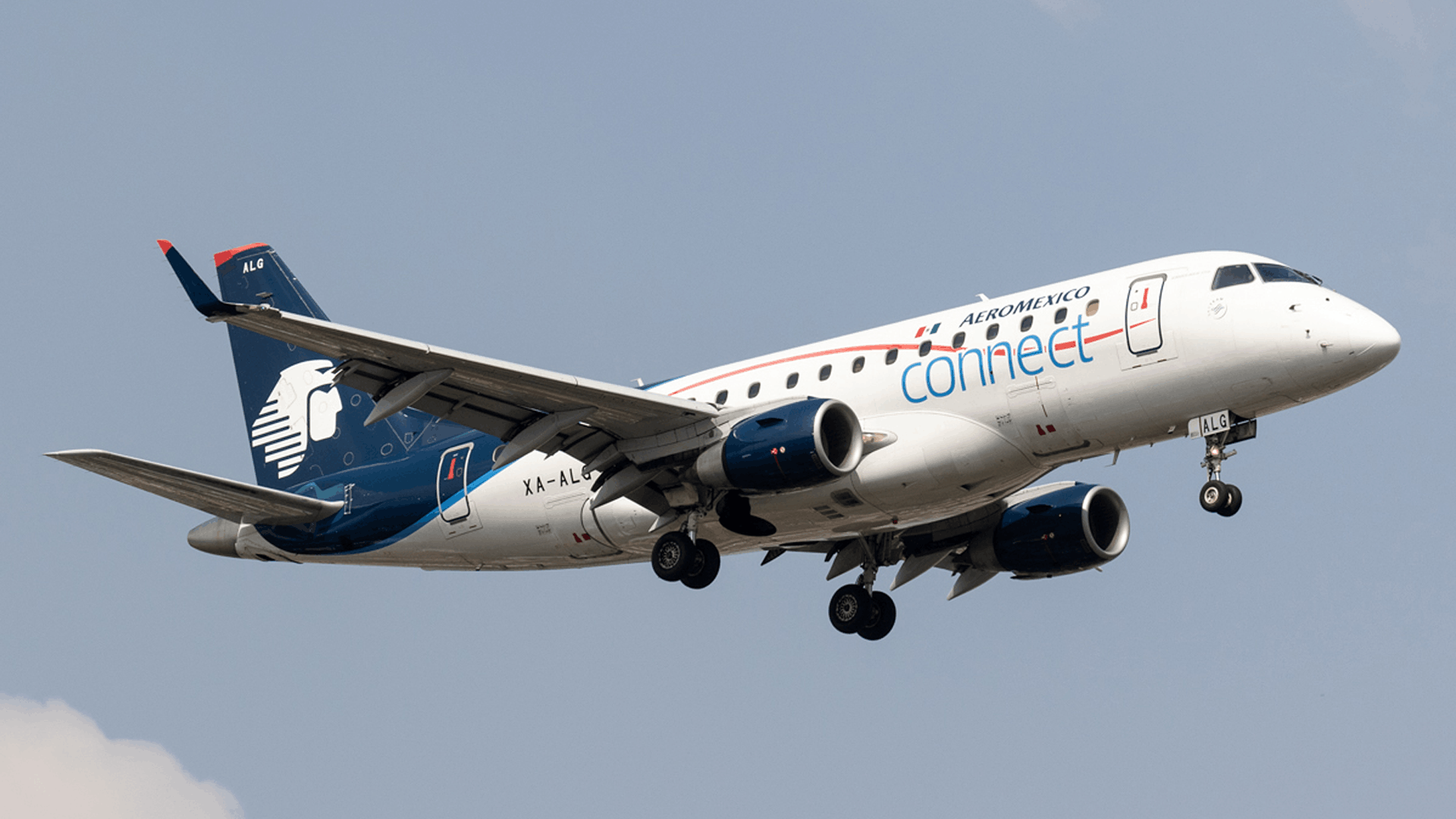
Aeromexico Connect Virtual · Regional
Act I
Early Hub Development
2009–2015
Connect Virtual launches with mainline — building regional craft into Monterrey and Mexico City.
-
2009
Launch with Miguel Taboada
-
Hubs
Focus on MTY and MEX feed
-
Fleet
Embraer 145 & Saab 340
-
Era
Moises Nuñez leadership
More details
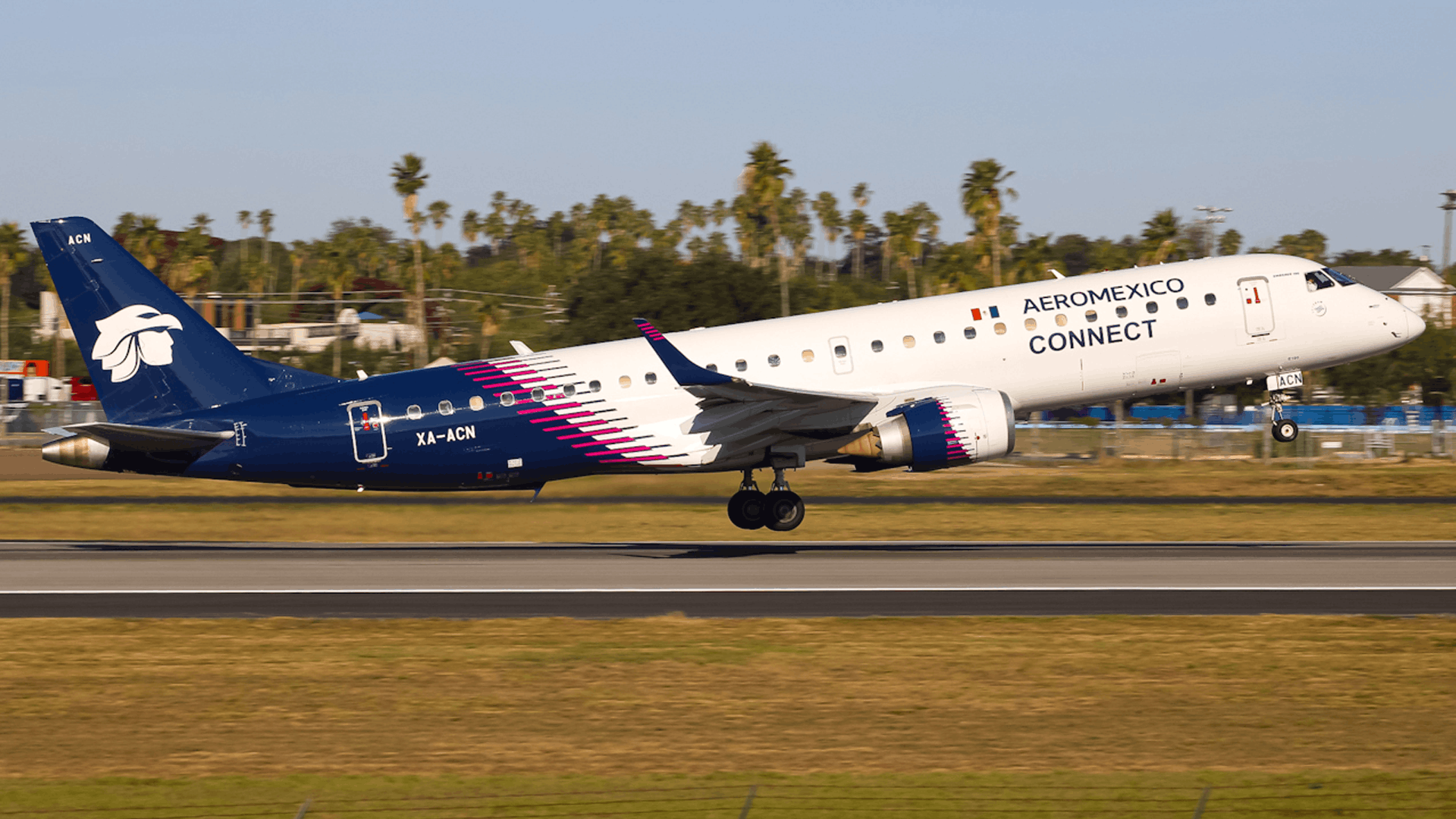
- Launch: Connect opened with mainline on September 11, 2009, led by Miguel Taboada.
- Moises Nuñez: After Aeromexico Travel CEO duty, he led Connect with regional ops into Monterrey and Mexico City on Embraer 145 and Saab 340.
Act II
The Training Hardline
2016–2025
Cristobal Palacio turns Connect into a Pilot Academy — strict standards, real add-ons, technical excellence.
-
CEO
Cristobal Palacio takes the helm
-
Academy
Pilot Academy mentality
-
Fleet
Strict add-on compliance
-
Bar
Most technical pilots in the group
More details
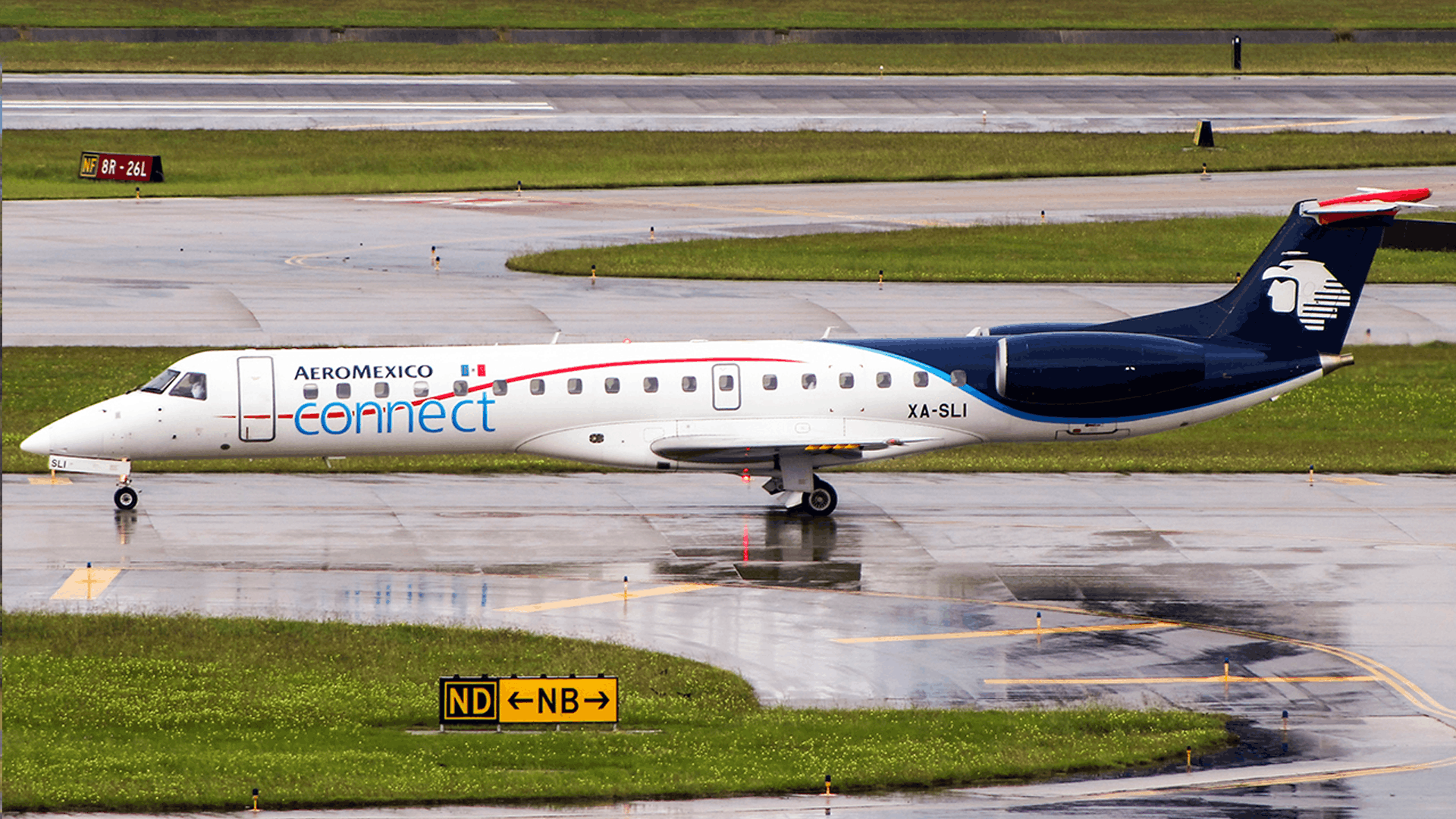
- Leadership: Cristobal Palacio succeeded Moises Nuñez with a Pilot Academy mindset — Connect as a technical “University.”
- Standardization: High-quality aircraft add-ons required; regional pilots set the realism bar for the whole group.
- Staff: Erick Ceja was a vital staff pillar while succession ran Moises → Cristobal.
Act III
Modern Overhaul
2025–Present
Charles Spurgeon’s Ground-Up era — a dedicated training site and a real virtual economy.
-
2025
Charles Spurgeon becomes CEO
-
Train
Dedicated 24/7 training site
-
Economy
Salary + maintenance system
More details
- CEO Charles Spurgeon: Took Connect on March 30, 2025 and launched a full regional modernization.
- Training site: First dedicated training website — certifications and exams 24/7, replacing Discord/Skype coaching.
- Virtual economy: Persistent salary tied to bespoke maintenance — hard landings ground aircraft until repairs are funded.
- Leadership: Miguel Taboada → Moises Nuñez → Cristobal Palacio → Charles Spurgeon (Current CEO).
Platform evolution
2009–2013 · CompeteVA
2013–2021 · VAFS
2022–2023 · vaBase
2024 · phpVMS 5
2025–2026 · phpVMS 7 + ACARS & EFB
2027 · Custom build from scratch
First page of Grupo AMX Virtual (2009–2013)
Archive snapshot from the CompeteVA era
Recognition
Some still fly with us; others have moved on. All of them shaped Grupo Aeromexico Virtual — through leadership, hours in the sim, and a shared passion for flying the flag.
Armando Fernandez
Founder & First CEO
Founded the VA in 2009; established high-fidelity operations on IVAO and a culture of operational discipline.
Eduardo Rocha
Historian & Key Figure
Historian and key contributor to the group’s identity, record, and institutional memory; a major figure in the growth of the VA and key representative of the VA on IVAO.
Jorge Martinez
Current CEO of Aeromexico
Leads the mainline VA; defined the Thursday Caravanas era and a decade of stability and community focus.
Miguel Taboada
First Connect CEO
Livery painter; key member in marketing the airline in its early years and building the Connect branch.
Cristobal Palacio
Former Connect CEO
Drove the “Pilot Academy” mentality; pushed for real, structured training so everyone learned as in a real airline.
Charles Spurgeon
Current CEO of Connect
Drove the technical revolution: built the group’s website, led the Ground-Up project, dedicated training site, virtual economy, and modern tech overhaul.
Rafa Loya
Former Chief of Pilots
Former Chief of Pilots; helped keep pilots engaged and happy even through hard times.


 Español